Portland is currently facing a significant housing shortage that directly impacts the recovery community. With a high percentage of residents classified as rent burdened, the financial strain often leads to a revolving door between the streets and treatment centers.
In 2026, despite increased state efforts, the demand for affordable addiction recovery housing Portland continues to outpace supply. This shortage means that individuals finishing treatment are often at a higher risk of relapse because they lack a safe, drug-free environment to return to.
Navigating this crisis requires a coordinated effort between clinical providers and local housing support for addiction recovery to ensure that no one is forced back into homelessness while trying to maintain their sobriety.
It’s hard to focus on healing your mind and body when you’re unsure if you have a good shelter to live in. In the behavioral health space, Housing First is a recovery-oriented approach that recognizes the importance of basic needs, such as shelter. These are necessities that must be met before an individual can effectively engage in long-term behavioral changes.
Research shows that recovery housing can contribute to better recovery outcomes and even employment. Here’s why it matters in recovery:
Stable housing removes you from high-stress environments or social circles that may have fueled your substance use in the past.
When you have a consistent, safe environment, your nervous system can move out of survival mode and into healing mode.
Many recovery-focused housing options provide a built-in community that encourages sobriety through shared goals.
Having housing stability in addiction recovery makes it easier to attend therapy sessions, keep track of medications, and maintain employment.
Relapse prevention is about building structure, awareness, and accountability into everyday life. It’s not one strategy, but a combination that helps you stay consistent over time. A steady routine plays a big role. Scheduled responsibilities and daily structure reduce idle time and create stability, making it easier to stay on track when things feel off.
Ongoing treatment and support systems also matter. Staying connected through outpatient programs, counseling, or people who understand your recovery helps address challenges early and reduces isolation. Understanding triggers is key. Recognizing high-risk situations, emotions, or environments allows you to plan ahead and respond differently instead of falling back into old patterns.
Healthy coping strategies replace substance use in difficult moments. Learning how to manage stress, cravings, and discomfort is what makes recovery sustainable. The goal is to build a system that holds up in real-life situations, even when things get difficult.

.webp)
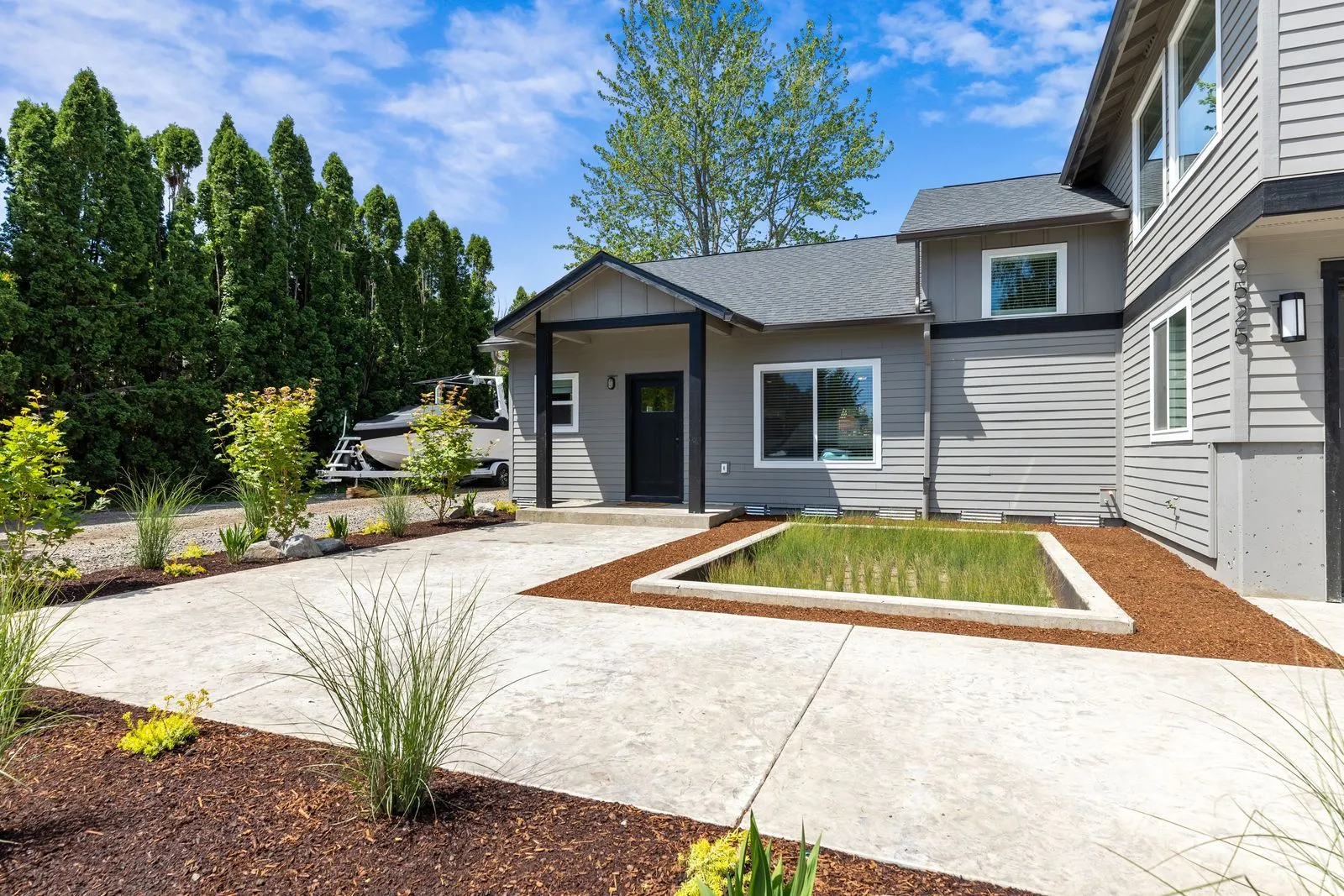


Relapse prevention is not separate from treatment. It’s built into every level of care. At Another Chance, addiction treatment in Portland, Oregon focuses on helping individuals stabilize and maintain long-term progress. Programs include:
Cost is one of the biggest concerns people have, especially when things already feeloverwhelming. Our goal is to make this part simple and transparent so you can focus on gettinghelp.
If you’re not sure where you stand with insurance, we can help you figure it out. A quick call cangive you a clear understanding of your options.




Fentanyl addiction can take a serious toll, but recovery is possible with the right support.Another Chance provides fentanyl addiction treatment in Oregon with a focus on real structure,support, and long-term progress.


.webp)
Content Reviewer
Jessica is the Director of Outreach and Admissions at Another Chance, where she develops and leads a client-centered, trauma-informed admissions team. A person in long-term recovery, she is passionate about connecting individuals with the support they need and creating meaningful change in the behavioral health system.
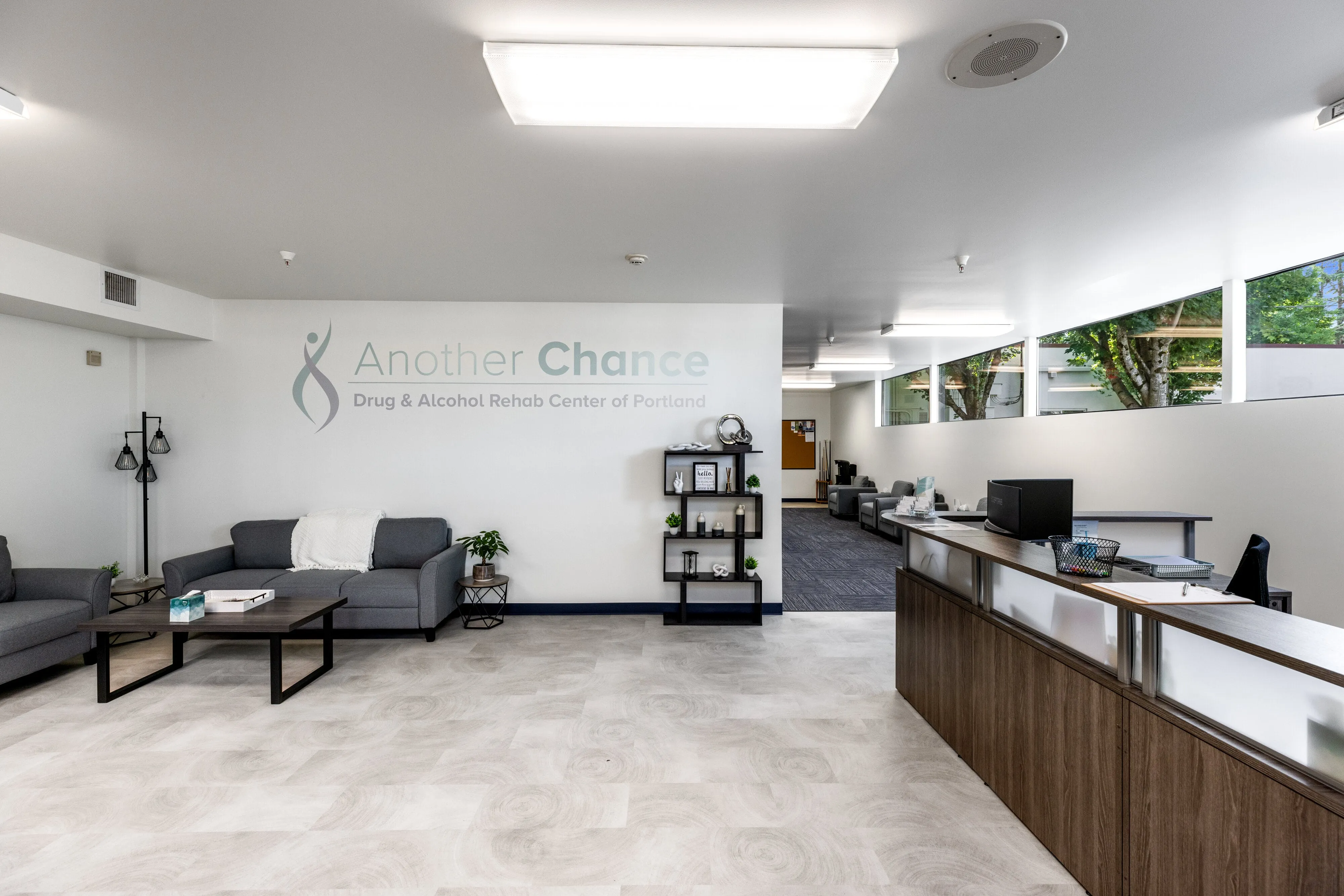
Open a new door of possibilities and let our experienced recovery team work with you. We all deserve Another Chance.



.svg)